#Industry ·2025-12-05


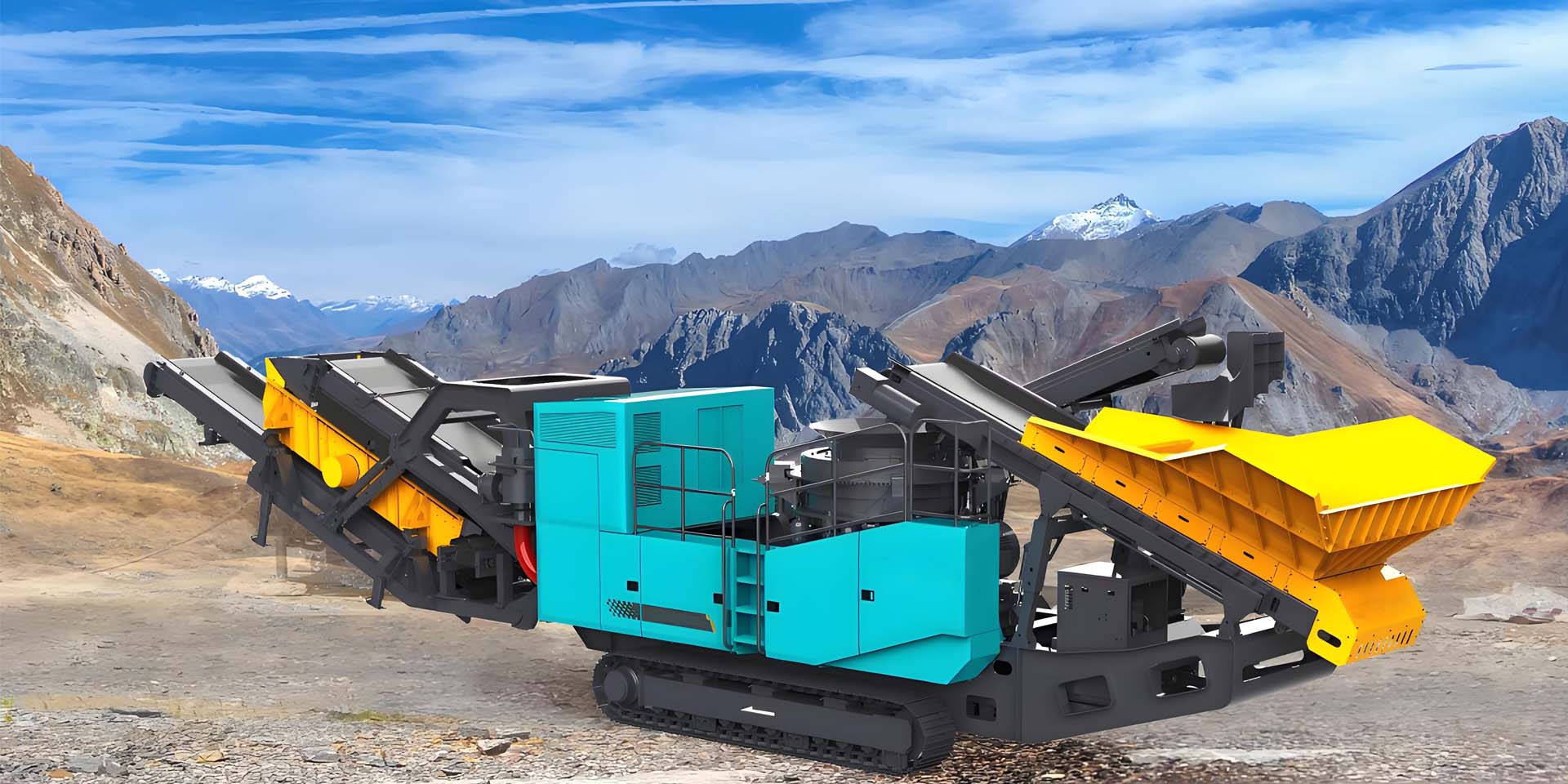
Today, with e-waste increasing at a rate of 50 million tons per year, a piece of waste circuit board the size of a fingernail can pollute 60 tons of groundwater. Faced with this shocking figure, China's self-developed complete set of water selection equipment for recycling waste circuit boards is breaking the deadlock of "electronic waste siege" with disruptive technology, giving new life to abandoned "urban mines". This equipment is like a precision-operating "resource sorter", achieving a revolutionary breakthrough in physical separation through the synergistic effect of three-stage hydraulic shaking beds and eddy current sorting. When the crushed circuit board fragments enter the processing system, high-pressure water first forms a density sorting layer, with metals such as copper and aluminum magically sinking to the bottom, while light substances like plastics and resins float on the surface. Even more amazing is the subsequent eddy current sorting process, where alternating magnetic fields induce inductive currents in non-ferrous metals, pushing them accurately to specific collection trays like invisible hands. According to the actual measurement data of a certain environmental protection enterprise, the recovery rate of copper from this equipment reaches 98%, far exceeding the 75% of the traditional incineration method, and there is no dioxin emission throughout the whole process, truly realizing "full utilization" of resources. In Guiyu E-waste Processing Park in Guangdong, the land once stained red by acid-washing wastewater is gradually recovering its vitality. After replacing the original acid leaching process with water selection equipment, the water consumption for processing each ton of circuit boards has been reduced from 5 tons to 0.3 tons, and workers no longer need to sort manually at the risk of poisoning. More importantly, the purity of the recovered copper powder reaches 99.9%, which can be directly used in the manufacture of precision electronic components, forming a closed-loop industrial chain of "waste board - copper powder - new circuit board". This transformation confirms environmental economist Pearce's "green productivity" theory - when environmental protection technology breaks through the cost threshold, ecological and economic benefits will produce a multiplier effect. From a more macroscopic perspective, the breakthrough of water selection technology is reshaping the global e-waste management landscape. In the traditional cross-border transfer of e-waste, developing countries often bear the environmental costs. But now, with more than 40 patented water selection recycling technologies, China has not only tripled its domestic e-waste processing capacity, but also exported a complete set of solutions to Southeast Asia and Africa. Just like London solved the public health crisis through the sewerage system in the 19th century, this technology export is building a new environmental governance paradigm. The United Nations Environment Programme report specifically points out that China's water selection equipment has reduced the cost of formal e-waste processing in developing countries by 60%. Standing at the turning point of circular economy, this seemingly bulky steel equipment actually carries profound civilizational enlightenment. It uses the power of science to transform "pollution sources" into "resource banks", achieving precise positioning of elements in millimeter-sized fragments. As ecologist Commoner said: "Human victory over nature ultimately manifests itself as reconciliation with nature." When more and more e-waste regains new life through such green channels, we truly understand the profound meaning of sustainable development - it's not just technological innovation, but also the evolution of civilization.

No. 15 Industrial Avenue, Industrial Park, Shicheng County, Jiangxi Province